Three Strategists on Cultural Time
Three movement strategists reflect on culture, memory, power, and what remains when the cycle moves on.
An invitation
The Room Is Open
29:17 · Audio Player
The Voices In This Conversation
Curated, not credentialed. Each voice was invited into the room for a reason.
4 voices · One room
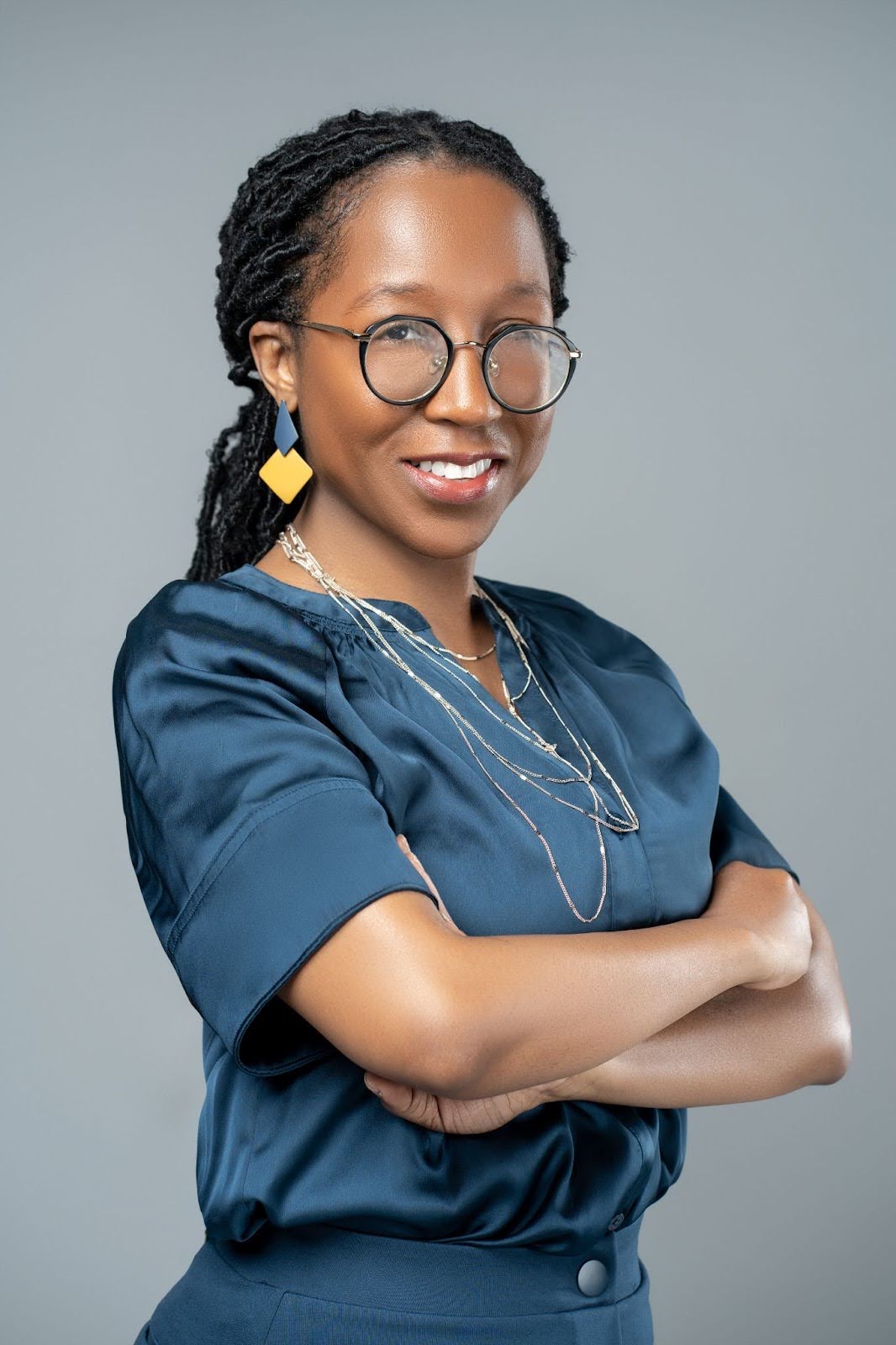
Anneshia Hardy
Field Guide · Cultural Narrative Strategist
Anneshia Hardy is a cultural narrative strategist, scholar-practitoner, and movement leader whose work explores how culture, memory, and meaning shape public understanding and collective action. She is the creator of the Applied Cultural Meaning and Memory Framework™ and leads narrative, messaging, and research strategies focused on democracy, civic engagement, and community power across the U.S. South.

Nina Smith
Founder & President, PoliSol Public Affairs
Nina Smith is a civic strategist and public affairs leader whose work sits at the intersection of democratic participation, public engagement, and political strategy. As Founder and President of PoliSol Public Affairs, she helps organizations, institutions, and campaigns build deeper relationships with the communities they serve while advancing long-term civic power.
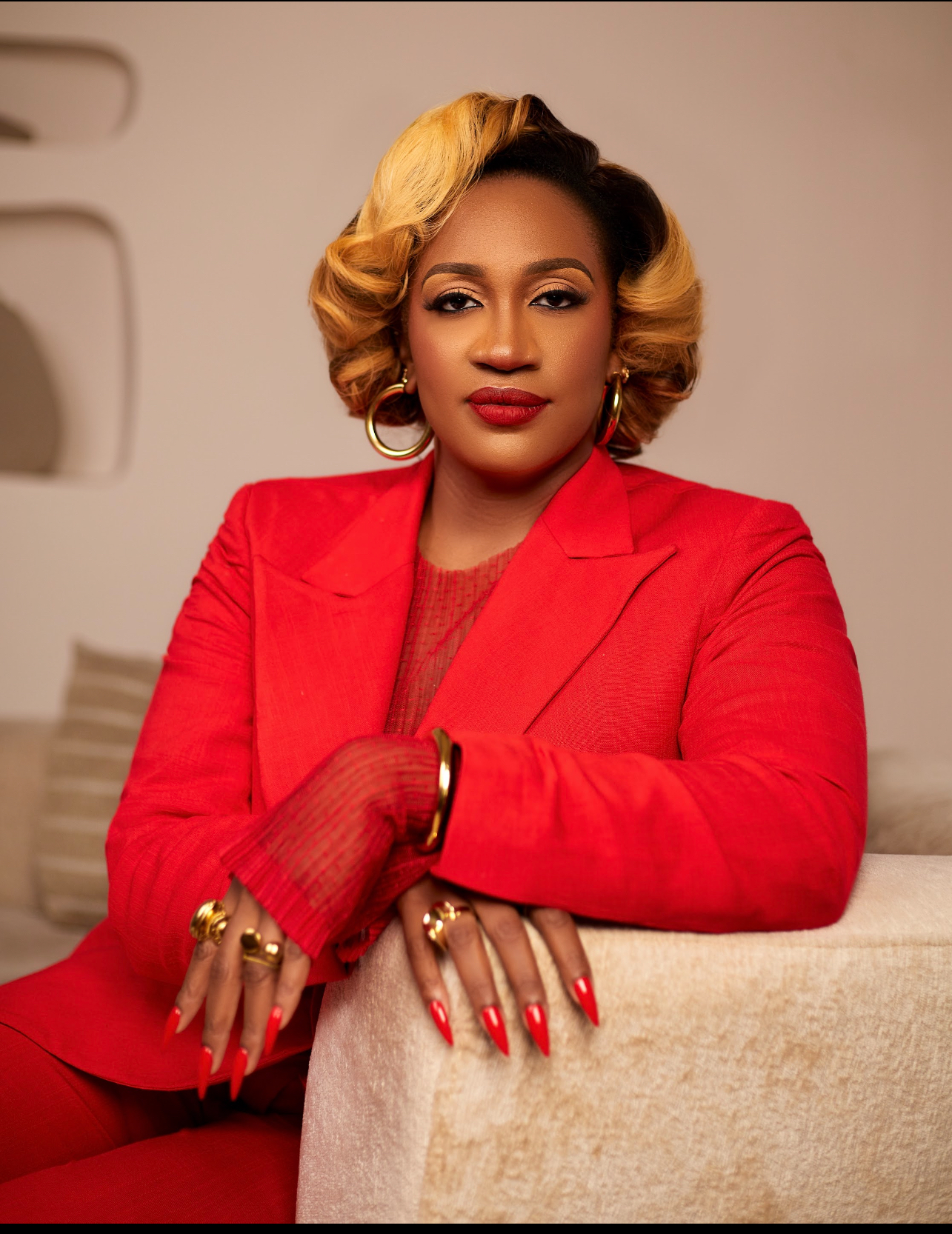
Cici Battle
Social Impact Strategist and Founder of Frolic Culture
Cici Battle works at the intersection of culture, narrative, power, and imagination. As founder of Frolic Culture, she helps movements, organizations, and communities explore what becomes possible when strategy makes room for creativity, memory, and collective dreaming. Her work invites us to see imagination not as escape, but as essential infrastructure for liberation.
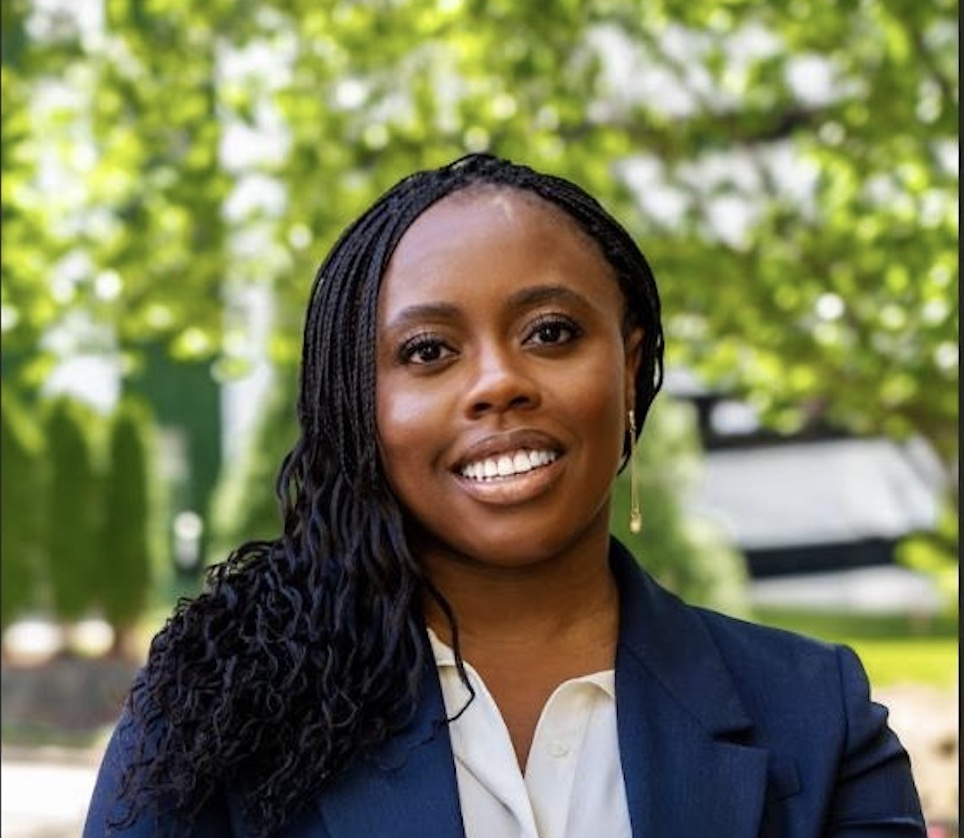
Esosa Osa
Founder & CEO, Onyx Impact
Esosa Osa is a researcher, political strategist, and founder of Onyx Impact, a research, messaging, and strategy firm dedicated to understanding Black communities beyond conventional political assumptions and data models. Her work focuses on culture, behavior, identity, and power, helping institutions build a deeper understanding of how Black communities make meaning and engage with public life.
Convener's Note
I asked these three thinkers into a room I have been trying to build for more than a year. A room where the speed of culture is taken seriously as strategy and not sentiment. A room where we can pause long enough to ask what is happening beneath the headlines, beneath the polling, beneath the messaging, and beneath the cycle itself.
Joining me were Nia Smith, CiCi Battle, and Esosa Osa. Each, in their own way, has spent years wrestling with questions that sit at the heart of the ACMM Framework™. How do people make meaning? How does culture move before institutions recognize it? What can we see when we stop treating communities as audiences and start understanding them as interpreters of their own reality?
What follows is not a transcript. It is a movement of thinking, edited for cadence and kept honest to the room.
Anneshia Hardy
The Cost of Cultural Time
"What does it actually cost a strategist to work at the speed of culture instead of the speed of the cycle?"
One of the tensions many of us are navigating right now is that institutions often move at the speed of campaigns, election cycles, funding cycles, and breaking news. Culture does not. Meaning does not. Memory certainly does not. Yet more and more of us are being asked to understand and respond to all three at the same time. What interests me is not simply how people react to the visible moment, but how they make meaning of it. So I wanted to begin with a question that sits underneath much of our work: What does it actually cost a strategist to work at the speed of culture instead of the speed of the cycle?
I think it depends on what you value. If you're chasing material outcomes, then culture becomes a means to an end. But if you're trying to shift conditions, culture is not optional. It is the infrastructure through which people make sense of themselves and the world around them. Working at the speed of culture asks us to prioritize connection, humanity, and long-term change over immediate rewards.
For me, it costs the comfort of being understood in real time. When you're building at the speed of culture, you're often several moves ahead of the language people have to describe what you're doing. The cycle rewards urgency and visibility, but culture rewards trust and depth. Sometimes that means the funding doesn't come, the recognition doesn't come, and people don't know where to place you. But if the goal is world-building, you learn to keep building before others can see what you're building toward.
Cycle-speed strategy often treats Black communities as a resource. Culture-speed strategy builds with Black communities instead. The difference is whether you're trying to build durable power or simply secure an outcome. Working at the speed of culture requires year-round investment in trust, relationships, and meaning-making. Those are outcomes many institutions find difficult to value, but they are the foundation of lasting change.
Memory as Infrastructure
"What stays, then, when the cycle leaves?"
One of the ideas I return to often through the ACMM Framework™ is that visibility and permanence are not the same thing. Some narratives dominate public conversation for a week and disappear. Others quietly shape communities for generations. Too often our field evaluates success through outputs, impressions, and moments of attention. But culture leaves residue. Memory leaves residue. So I wanted to ask a different question: When the cycle leaves, what remains?
When communities are engaged only as part of a cycle, what remains is often harm. People begin to lose faith in their own power and in the institutions asking for their participation. Over time, that repeated extraction becomes a cultural memory of disappointment. The relationship becomes transactional instead of reciprocal, and that damages trust in ways that are difficult to repair.
What stays is grief, because the cycle was never built with our story in mind. Communities are repeatedly asked to invest their hope, energy, and imagination into structures that disappear as soon as the deadline passes. But relationships stay too. The conversations, the trust, the dreams people share with one another can survive long after the campaign infrastructure is gone. That's why I believe we have the power to create different cycles, ones that make room for possibility, depth, and connection instead of extraction.
The cycle leaves, but the conditions do not. Racism doesn't take an election break. Underfunded institutions don't disappear after Election Day. What remains is a clear record of who was committed to community and who was committed only to outcomes. We don't need allies activated by deadlines. We need people willing to build with us long after the cycle has moved on.
Practicing in Public
"What does this discipline ask of you in public — and what does it protect in private?"
Most people encounter the outputs of this work. They see the campaigns, the reports, the messaging, the strategy decks, and the public analysis. What they rarely see is the discipline beneath it. The habits of observation, the commitments, the boundaries, and the practices that allow people to stay grounded enough to do this work over the long term. If strategy is not only about intervention but also about interpretation, then what does that discipline require of the people practicing it? And what does it protect?
For me, the discipline is consistency. It asks that the values you express publicly show up in the rooms where decisions are made, especially when it is uncomfortable. It requires showing up in ways that strengthen people's faith in themselves and in their communities. And in private, it protects the possibility of growth by reminding me that every interaction is an opportunity to leave something better than I found it.
In public, this discipline requires embodiment. My theory and my practice have to match. It asks me to remain rooted in what is actually happening in people's lives rather than what the deck or the algorithm says is happening. In private, it protects my internal compass. It allows me to stay aligned with the work, the people, and the world I'm trying to build, rather than being pulled by whatever happens to be rewarded in the moment.
This discipline asks me to challenge what institutions think they already know about Black communities. It requires pushing back against frameworks, assumptions, and funding models that flatten people into data points. That work can cost opportunities, rooms, and resources, but it is necessary. What it protects is our ability to remain honest with our communities, to carry something they can trust, and to continue the unfinished work of Black self-determination with integrity.
The institutions, relationships, rituals, media systems, cultural practices, and trusted messengers through which communities construct shared meaning.
Why it appliesThe conversation consistently highlights various components of meaning-infrastructure, particularly through the discussion of how institutions (e.g., campaigns, funding cycles, media) operate differently from cultural systems like communities, relationships, and trust. The strategists emphasize investing in "the church, the library, the school, and investing in the pastors and the librarians and the teachers" as core to building durable community power, contrasting it with extractive approaches focused on votes or immediate material gain.
Concepts drawn from the Applied Cultural Meaning and Memory Framework™ (ACMM Framework™) knowledge base.
Hardy, A. (Moderator). (n.d.). Three Strategists on Cultural Time [A Dialogue Series]. The Meaning & Memory Lab, Applied Cultural Meaning and Memory Framework™ (ACMM Framework™). https://acmmframework.com/lab/three-strategists-on-cultural-time
The Meaning Dialogue Series is part of The Meaning & Memory Lab, the working journal of the Applied Cultural Meaning and Memory Framework™ (ACMM Framework™).
Listening Notes
What I am still thinking about, the morning after.
Four things stayed with me. First, culture is not the opposite of strategy. It is the terrain on which strategy succeeds or fails.
Second, grief may explain more of what we call disengagement than our institutions are willing to admit.
Third, the deepest work of narrative is not persuasion. It is protecting people's relationship to their own power.
And finally, what remains after the cycle leaves may tell us more about a strategy than what happened during it.
— Anneshia Hardy, the morning after