An Artist on Attention, Memory, and Meaning
Chris Hardy reflects on Southern Memory, Storytelling, and Cultural Inheritance
An invitation
The Room Is Open
Audio Player
The Voices In This Conversation
Curated, not credentialed. Each voice was invited into the room for a reason.
2 voices · One room
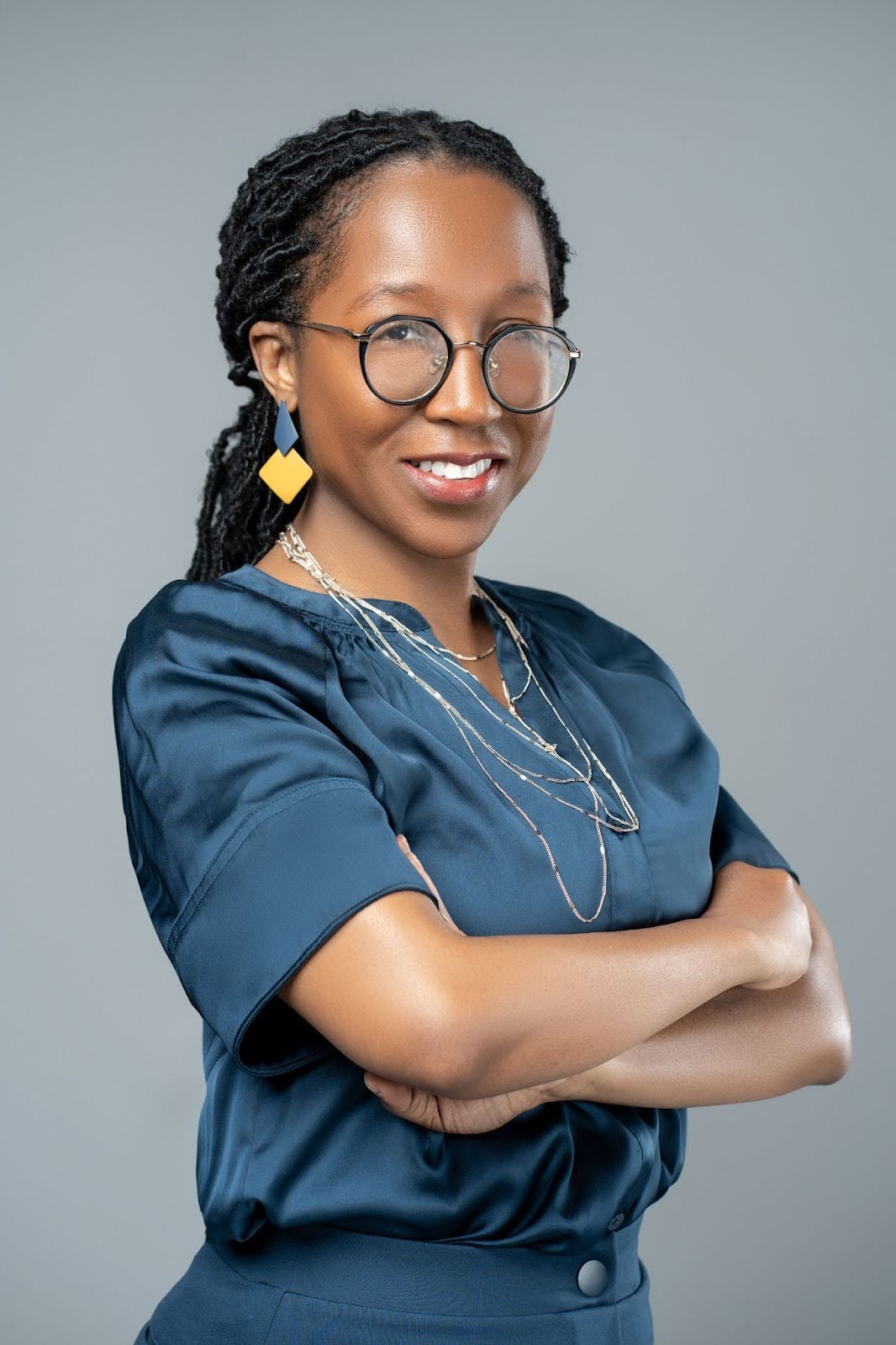
Anneshia Hardy
Creator of ACMM Framework | Cultural Narrative Strategist
Anneshia Hardy is a cultural narrative strategist, scholar-practitioner, and movement leader whose work explores how culture, memory, and meaning shape public understanding and collective action. She is the creator of the Applied Cultural Meaning and Memory Framework™ and leads narrative, messaging, and research strategies focused on democracy, civic engagement, and community power across the U.S. South.
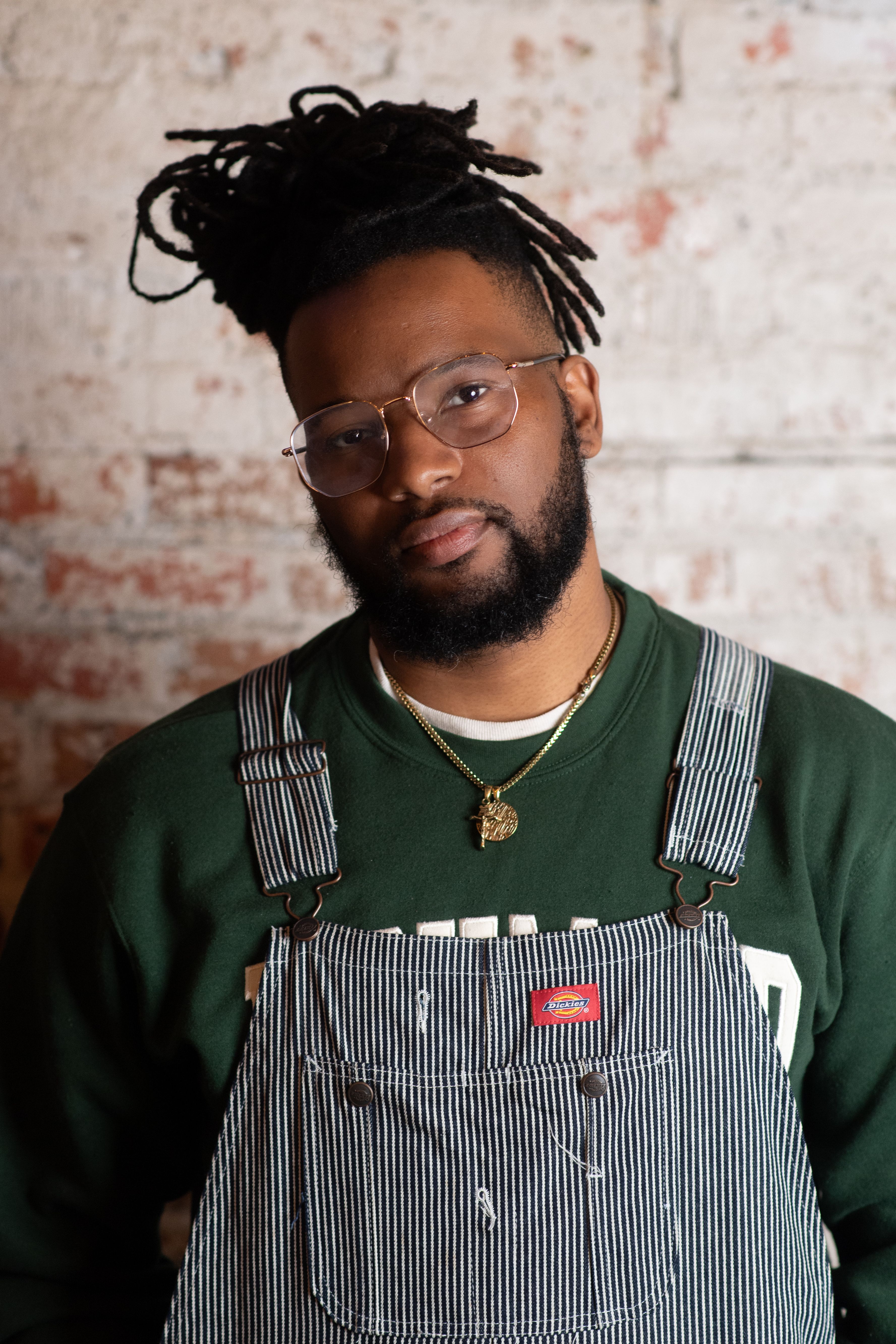
Christian Hardy
Creative Director and Southern Storyteller
Of Noble Folk
Christian Hardy is a multi-sensory artist, designer, storyteller, and educator whose work explores the intersections of culture, memory, identity, and place. Drawing inspiration from Southern traditions, Black vernacular creativity, music, visual art, and community storytelling, his practice moves across sound, image, design, and narrative. Through his work, Christian examines how everyday experiences become cultural memory and how artists serve as stewards of meaning across generations.
Convener's Note
I invited a multi-sensory artist into the Meaning & Memory Lab because his work explores a question central to the ACMM Framework™. What shapes meaning before language arrives? Politics often treats culture as decoration instead of infrastructure. But long before people can explain what they believe, they have already been shaped by sound, image, memory, atmosphere, rhythm, and feeling. What follows is not a transcript. It is a movement of thinking. Edited for cadence. Kept honest to the room.
Anneshia Hardy
Meaning Through Position and Place
"How does meaning move differently through each medium?"
Meaning rarely arrives through words alone. It travels through multiple channels at the same time, shaped by where we stand, what we've experienced, and the worlds that raised us. Before we understand ourselves as artists, organizers, or storytellers, we are already learning how to interpret the world around us. How does meaning move differently through each medium?
With the work that I do, and the work that inspires me, the medium is often determined by proximity and positionality. As a Black boy growing up in the South, visual art was one of my earliest forms of expression. I spent a lot of time drawing, listening to music, and writing. Those things shaped how I interpreted the world around me and how I responded to it. If I read something, I might illustrate it. If I had an experience with someone, it might become a song or a poem. Growing up in the church also influenced me because so much of the creative work I love is rooted in call and response. At the same time, people encounter the work differently depending on how they know me. Some know me as a designer, others as a music producer, photographer, artist, or storyteller. Meaning moves through all those platforms, but it is always shaped by where we stand in relation to it.
Everyday as Cultural Knowledge
"How has growing up in the South shaped your understanding of aesthetics, memory, storytelling, and emotional familiarity?"
Place leaves fingerprints on how we see the world. Before we develop political opinions or intellectual frameworks, we absorb aesthetics, traditions, sounds, rituals, and ways of seeing from the places that raise us. The everyday often becomes our first teacher, shaping what feels familiar long before we understand why. How has growing up in the South shaped your understanding of aesthetics, memory, storytelling, and emotional familiarity?
I love home because of the way I grew up. My grandmother used to drop me off in Wylam, Alabama, and I would spend time sitting with elders, listening to conversations that might have seemed mundane but carried so much texture and meaning. A lot of what I value in music and art comes from those experiences. I've become deeply interested in folk art and vernacular art, people like Thornton Dial, Joe Minter, and Roy Robinson, and the way they use found objects and everyday materials to create narratives. Growing up in the South made me endeared to doing more with less. It taught me how to tell big stories about small things. Whether visually or sonically, I think Southern culture teaches you how to slow things down, process the everyday, and communicate those experiences in ways that feel deeply personal.
"“Growing up in the South taught me how to slow things down, process the everyday, and communicate those experiences in ways that feel unique to me.”"
Recognition Before Explanation
"What kinds of stories, visuals, sounds, or textures feel spiritually familiar to you even before they feel intellectual?"
One of the ideas I return to often in my work is that recognition usually comes before explanation. Sometimes we encounter a sound, an image, a smell, or a texture that feels familiar before we can articulate why. Meaning is often felt before it is understood. What kinds of stories, visuals, sounds, or textures feel spiritually familiar to you even before they feel intellectual?
I think about the quilts from Gee's Bend and artists like Yvonne Wells. Those quilts were part of the communities I grew up in, and while people may study them academically today, what I saw was utility, function, and love. I think about gospel music in the same way. Some of the most talented musicians I've ever known played in local churches. They were gifted people long before anyone gave them credentials. The same is true for people who braid hair, tell stories, or know how to read a room and diffuse tension. There are so many things within our communities that become incredibly complex when people try to explain them academically, but for us they were simply part of living. They were gifts.
""
Against Immediacy
"Do you think we've lost some of our cultural ability to sit with ambiguity, tension, or slowness?"
We live in a moment that rewards certainty. Everything is expected to be immediately understood, categorized, and explained. Yet some of the most meaningful cultural work asks us to stay with complexity a little longer, allowing interpretation to unfold rather than arrive instantly. Do you think we've lost some of our cultural ability to sit with ambiguity, tension, or slowness?
We've commodified our attention spans, and by doing so we've created a race to the bottom. Companies and creators are constantly looking for new ways to capture attention, and very few people want to risk status, visibility, or income on work that asks audiences to slow down and think. Everything has to be immediate. Everything has to be understood instantly. But meaningful work often requires people to sit with complexity. That's why artists like Kendrick Lamar and André 3000 resonate so deeply. They take complex ideas and allow us to sit with them long enough to reveal something about ourselves and the society we're living in.
Creating What Endures
"What does it mean to create work that lingers instead of simply trends?"
The lifespan of cultural attention feels increasingly short. Trends rise and disappear within days. Algorithms reward urgency and immediacy. Yet some work stays with us long after we've encountered it, shaping how we understand ourselves and the world around us. What does it mean to create work that lingers instead of simply trends?
Creating work that lingers means speaking to the heart of our society and our most basic human experiences. Love, triumph, revenge, poverty, aspiration, and survival are things people return to across generations. We've been creating in that vein for centuries through stories, songs, and cultural traditions that help people understand the world around them. One of my friends once described it as giving language to people who may struggle to find that language for themselves. Work that lingers becomes something people carry with them. It travels with them like a good book, a favorite song, a family story, or a piece of clothing passed from one generation to the next.
"“Creating things that linger means giving people something they can carry with them.”"
Honesty Has a Cost
"What does it cost to create work rooted in honesty instead of algorithmic visibility or constant performance?"
Many artists, organizers, and culture makers are navigating a tension between creating what is true and creating what is rewarded. Visibility can be seductive. Platforms encourage performance. Audiences often reward predictability. But honesty asks something different of us. What does it cost to create work rooted in honesty instead of algorithmic visibility or constant performance?
It's difficult because we're navigating multiple audiences at once. There is the pressure of the dominant culture, the expectations of our own communities, and now the reality of social media where everyone has access to the work and an opinion about it. The more I read, the more I appreciate people like Nikki Giovanni, bell hooks, and James Baldwin because they were honest about their humanity, their disappointment, and their doubt. That's the tradition I want to create within. Honesty costs relationships and opportunities because there are people willing to elevate you if you're willing to ignore what's happening in society or within yourself. But I want people who encounter my work to know they are not alone in their realism. Joy comes from being grounded, not from pretending everything is fine.
Artists as Memory Keepers
"How do Black artists and culture makers preserve memory in ways institutions, archives, and formal history often fail to?"
One of the central premises of the ACMM Framework™ is that memory doesn't live exclusively in institutions. It lives in communities, songs, visual language, oral traditions, family stories, rituals, and creative practice. Throughout history, Black artists have often carried memory across generations when formal archives failed to do so. How do Black artists and culture makers preserve memory in ways institutions, archives, and formal history often fail to?
Music preserves far more than sound. It preserves language, values, ideas about freedom, beauty, and identity. If you listen closely to music from different generations, you can hear how people understood themselves and the world around them. I see the same thing happening through apparel, photography, and now social media. One of the things that fascinates me most is how ordinary people are becoming archivists. They upload photographs, preserve flyers, share stories, and document lives that institutions may never think to record. Social media has given communities the ability to build archives of their own and participate directly in preserving cultural memory.
What Remains
"What do you hope survives from your work long after the cycle, platform, or trend disappears?"
If memory is what we inherit and meaning is what we make from it, then the question becomes what remains after we're gone. Not legacy as recognition or achievement, but legacy as what continues to live in people, communities, and culture long after the moment has passed. What do you hope survives from your work long after the cycle, platform, or trend disappears?
I hope future generations see the value of curiosity, even when it's accompanied by uncertainty. When I think about people like Alvin Ailey, Gordon Parks, and Melvin Van Peebles, what inspires me most is that they moved through the world boldly and came back with something of substance. I hope younger artists, especially those coming from places like Alabama, Montgomery, Ensley, and Irondale, see what's possible and continue creating. When I wrote my thesis, I was grateful for the small group of people who took the time to document knowledge that might otherwise have been lost. Whether five people encounter my work or five million, I hope it helps someone create understanding, build community, and love their neighbors. That would be a good thing to leave behind.
Hardy, A. (Moderator). (2026, May 26). An Artist on Attention, Memory, and Meaning [Meaning Dialogue Series]. The Meaning & Memory Lab, Applied Cultural Meaning and Memory Framework™ (ACMM Framework™). https://acmmframework.com/lab/artist-memory-meaning
The Meaning Dialogue Series is part of The Meaning & Memory Lab, the working journal of the Applied Cultural Meaning and Memory Framework™ (ACMM Framework™).
Listening Note
What I am still thinking about, the morning after.
Four things stayed with me. First, meaning is often felt before it is understood. Communities frequently recognize significance long before institutions develop language to explain it.
Second, cultural knowledge lives in ordinary things. The quilt, the church musician, the family storyteller, and the front porch conversation all carry forms of memory that rarely make it into formal archives.
Third, the attention economy rewards speed, but meaning-making requires time. Some truths only emerge when we stay with them longer.
And finally, artists are more than creators. They are stewards of memory, carrying stories, values, and ways of seeing across generations.
Anneshia Hardy, The Morning After