
Memory Is Not Background
Movements treat memory as scenery. This essay argues it is the system on which all political behavior runs and what that means for strategy.
Movements treat memory as scenery. This is the wrong instinct and one of the most expensive habits a strategy practice can inherit. Memory is not what surrounds a fight; it is the operating system on which the fight runs. The problem is that many organizing, advocacy, and communications strategies are still built as if people move primarily through information. As if facts alone create alignment. As if exposure automatically produces engagement. But communities do not move through information first. They move through meaning. And meaning is rarely created in the present moment alone. Meaning is inherited. It lives in family stories, local warnings, church conversations, neighborhood silences, school lessons, rituals, fears, music, migration patterns, media framing, and historical absences. It lives in what people were taught to fear before they understood why they feared it. It lives in what communities remember happened the last time they trusted institutions, participated publicly, spoke too loudly, or hoped too openly.
When we say a constituency is “disengaged,” what we usually mean is that the operating system they are running has been left unread. The system is functioning exactly as it was designed to. We are the ones who arrived without a manual. People are not irrational because they distrust systems that have historically harmed them. Communities are not apathetic because they move cautiously around institutions that have repeatedly extracted from them. In many cases, what gets labeled as political apathy is actually political memory. And memory does not disappear simply because institutions decide to speak a new language. A state can remove explicit segregationist language from law while maintaining the memory of exclusion through practice. A platform can market itself as open and democratic while communities still remember surveillance, harassment, or erasure. A campaign can say “everyone belongs” while people quietly calculate whether belonging has ever materially protected them before. This is why surface-level messaging interventions so often fail.
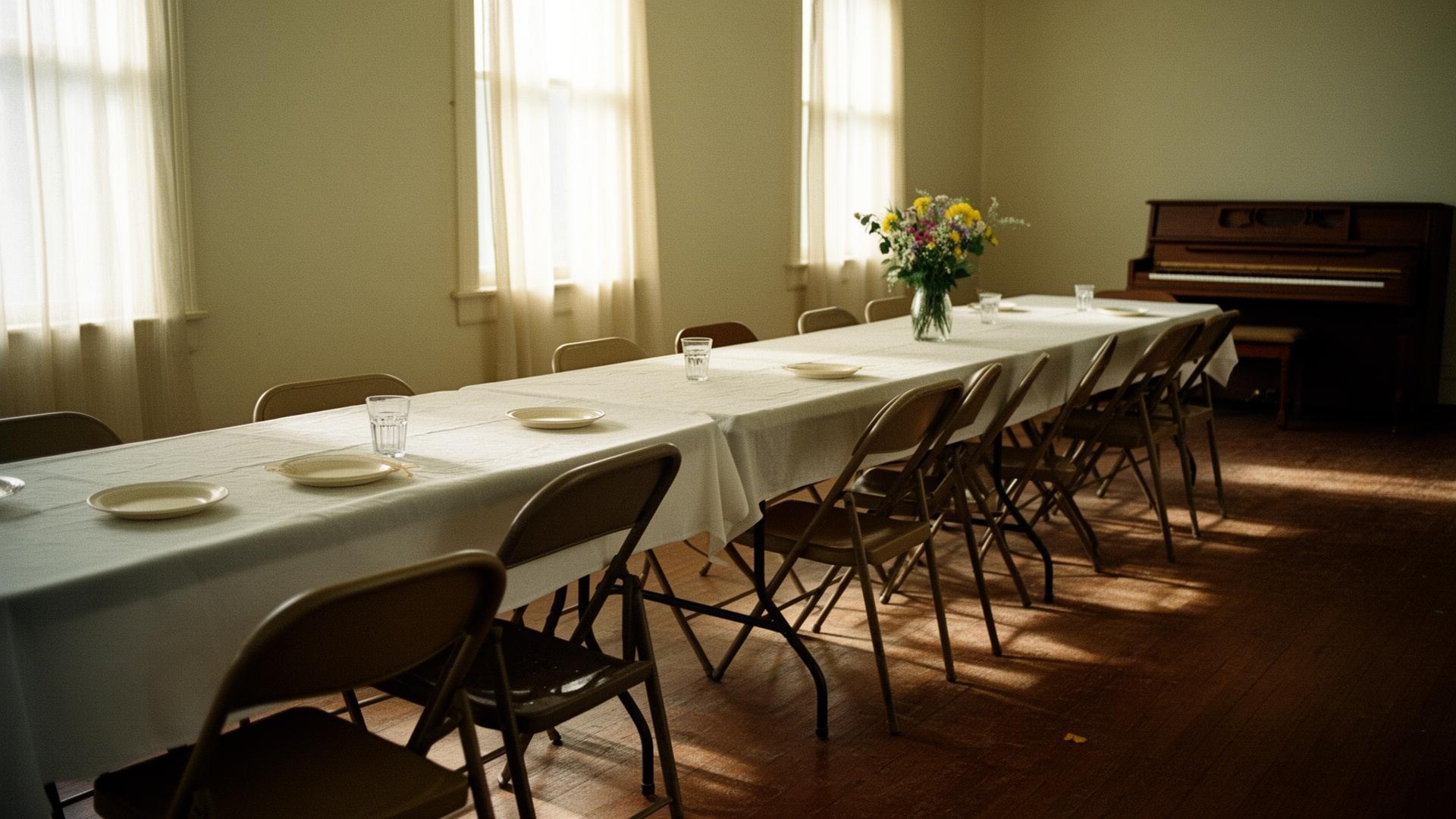
To read collective memory is to ask what the room remembers about people who have asked for its attention before. The answer is rarely simple. It is layered, archived in language, in songs, in who is allowed to sit where, in which doors get held open and which do not.
It is asking:
Who historically survived here?
Who had to remain silent to stay safe?
Which communities were punished for participation?
What language became associated with danger?
Which institutions became symbols of betrayal?
What forms of visibility historically produced consequence?
These questions matter because memory shapes interpretation before new information ever arrives. The same policy can land as hope in one community and threat in another depending on the historical memory attached to institutions, geography, race, class, migration, religion, or state violence. This is one of the great failures of modern communications strategy. Too many approaches assume audiences are blank slates waiting for persuasive language. But people do not encounter messages neutrally. They encounter messages through accumulated historical experience. A voter does not simply hear “your voice matters.” They unconsciously compare that statement against generations of evidence. A young organizer does not simply hear “civic engagement.” They interpret it through burnout, surveillance, movement fragmentation, online hostility, economic instability, and the memory of watching previous generations sacrifice with little visible structural reward. Communities are always asking: What happened the last time people like us believed this? That question shapes behavior more than most campaigns realize.
An operational read of memory is not warm. It is technical. It asks what the system has done, under stress, in the last five elections. It asks who survived the last collapse, and whose name they invoke when they speak about it. There is a tendency to reduce memory work into archives, anniversaries, aesthetics, and symbolic storytelling. But an operational understanding of memory requires something deeper. Memory is infrastructure. In this sense, memory behaves less like emotion and more like architecture. It quietly establishes the boundaries of imagination. This is why oppressive systems work so aggressively to control historical interpretation. Because controlling memory allows institutions to control future possibility. If a society can convince people that inequality is natural, then resistance begins to feel unrealistic. If a society can erase histories of successful collective action, then people begin to experience isolation as permanent. If communities only inherit memories of loss, defeat, punishment, or abandonment, then hope itself becomes politically expensive. Meaning-making does not emerge from nowhere. It emerges from the stories societies repeatedly authorize as believable. And every movement, institution, media ecosystem, and political actor is competing to define which memories become publicly legible.
The reframe is small and total: memory is not background. Build accordingly, or watch the next message land on a foundation it never knew it was standing on. The future of narrative work will belong to those capable of understanding not only what communities think, but what communities remember.
The transmission of interpretations, identities, memories, and understandings across generations.
ACMM InquiryWhat stories are people carrying before they ever encounter our message?
Why it appliesThe piece centrally argues that meaning is inherited, stating it "lives in family stories, local warnings, church conversations, neighborhood silences, school lessons, rituals, fears, music, migration patterns, media framing, and historical absences." It emphasizes that meaning is rarely created in the present moment alone, but passed down across generations and cultural systems.
Concepts drawn from the Applied Cultural Meaning and Memory Framework™ (ACMM Framework™) knowledge base.
Hardy, A.. (2026, June 1). Memory Is Not Background. The Meaning & Memory Lab, Applied Cultural Meaning and Memory Framework™ (ACMM Framework™). https://acmmframework.com/lab/memory-is-not-background
This essay is part of The Meaning & Memory Lab, the working journal of the Applied Cultural Meaning and Memory Framework™ (ACMM Framework™).
Continue reading · Essays
All essays →On Inherited Belonging
How Black Southern memory operates as political infrastructure and what movements miss when they treat it as backdrop.
Read →EssayThe Discipline of Patience
Long-horizon narrative work is not the absence of urgency, it is choosing whose clock to be urgent on.
Read →EssayThe Democratic Meaning Gap
An introduction to one of the central concepts of the ACMM Framework. This essay examines the distance between how institutions understand and communicate democracy and how communities make meaning of democracy through lived experience, historical memory, identity, and relationships to power.
Read →